


Is Ceramic Window Tint Worth the Hype?
If you've been shopping for automotive window tint, you've probably heard the term ceramic tint everywhere.It's marketed as cooler. Better. More advanced. And, of course, more expensive.
So the obvious question is:
Is ceramic window tint actually worth the hype?
For a lot of drivers, yes especially if heat rejection and comfort are priorities.
But ceramic tint isn't automatically the right choice for every vehicle or every budget.
At Shade9 Window Tinting, we install multiple levels of LLumar® automotive window film, including traditional tint and premium ceramic films. Here's what actually makes ceramic different and when paying more for it makes sense.

What Is Ceramic Window Tint?
Ceramic window tint uses microscopic ceramic particles built into the film. Unlike older metallic films, ceramic tint doesn't rely on metal to achieve its performance.
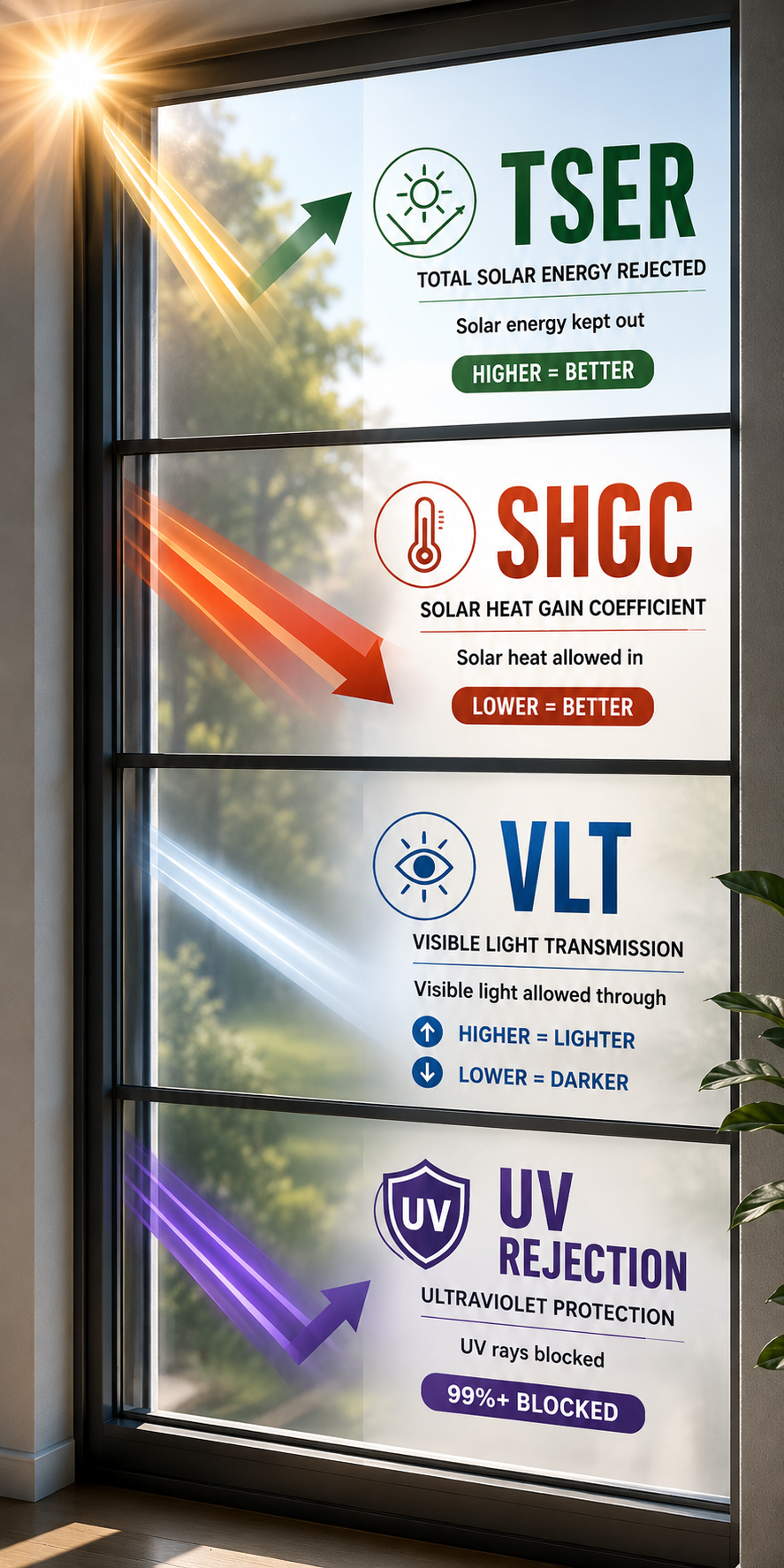
Instead, those nano-ceramic particles are engineered to target solar energy, including the infrared portion of sunlight that contributes heavily to the heat you feel inside your vehicle.
Regular tint is primarily about shade and basic solar control. Ceramic tint is engineered to provide significantly better heat performance.
The Biggest Difference Is Heat Rejection
This is where ceramic tint earns most of its reputation. You've probably gotten into a vehicle that's been sitting outside in July and immediately felt the heat radiating through the glass.
Ceramic tint is designed to reduce the amount of solar energy entering the cabin.
Premium ceramic films specifically target infrared energy, which is a major contributor to the heat you feel.

LLumar's IRX ceramic film, for example, uses advanced nano-ceramic technology specifically designed to reduce infrared heat entering the vehicle. That doesn't mean your vehicle will magically stay cold after sitting in direct sunlight for six hours.
It means less heat is entering through the glass, which can make the cabin noticeably more comfortable and help it cool down faster once the air conditioning is running.
Ceramic Tint Doesn't Have to Be Dark to Work
This is one of the biggest advantages of ceramic film. A darker window doesn't automatically mean better heat rejection.
With high-performance ceramic tint, you can choose a lighter shade and still receive excellent solar performance.For example, LLumar's published specifications show that its IRX 50, a relatively light film, still rejects significant solar and infrared energy while allowing much more visible light through than a dark tint. With ceramic films you can have both a lighter film and high performance.
So What's the Difference Between CTX and IRX?
At Shade9, two of our most popular LLumar options are CTX ceramic and IRX infrared-rejecting ceramic.
LLumar CTX
CTX is a ceramic window film designed to provide strong heat rejection without the mirrored appearance associated with some older films. LLumar says CTX also blocks 99% of harmful UV rays and reduces glare. CTX is a great middle ground for customers who want:
Ceramic technology
Better heat rejection
UV protection
Reduced glare
A clean charcoal appearance
A more affordable price than top-tier ceramic film
For a lot of daily drivers, CTX provides an excellent balance of price and performance.
LLumar IRX
IRX takes ceramic performance another step further. LLumar describes IRX as an infrared-rejecting ceramic film using advanced nano-ceramic technology designed specifically for increased heat rejection. It's made for customers who care most about comfort and want one of the highest-performing films available in the LLumar automotive lineup. IRX also provides:
More than 99% UV protection
Advanced heat rejection
Reduced glare
Electronic signal compatibility
Multiple shade choices
A clean factory-style appearance
For someone who drives frequently or keeps their vehicle long term, that extra performance can absolutely be worth the upgrade.
Does Ceramic Tint Block More UV?
Here's something that surprises a lot of people.
UV protection isn't necessarily the main reason to upgrade to ceramic.
Quality LLumar films already provide extremely strong UV protection. Both CTX and IRX block more than 99% of damaging UV radiation according to LLumar's specifications. So when you're paying more for ceramic or upgrading from one ceramic level to another, the biggest difference is usually:
Heat rejection and overall comfort...not simply UV protection.
What About Cell Phones, GPS and Electronics?
Older metallic window films could sometimes interfere with electronic signals. Modern ceramic films don't rely on metal for their performance, so they're designed to remain compatible with electronics.
LLumar specifically lists easy electronic connectivity as one of the benefits of IRX.
That means you can get high heat rejection without worrying about the tint interfering with everyday devices.
Does Ceramic Tint Keep Your Car Cool?
This is where marketing can get exaggerated. Ceramic tint helps reduce the amount of heat entering through your glass. It does not turn your parked vehicle into a refrigerator. If your vehicle sits outside in direct sun long enough, the interior is still going to get hot.
The difference is that ceramic tint can reduce incoming solar heat and make the vehicle:
More comfortable while driving
Easier to cool down
Less affected by heat radiating through the glass
More comfortable for passengers sitting beside windows
That's a more realistic way to think about ceramic tint.
Is Ceramic Tint Better for Kids and Families?
It can be. Parents often notice heat through side windows more because children sit close to the glass in the rear seats. A ceramic film can reduce solar heat coming through those windows without requiring extremely dark tint.
That can make a noticeable difference for:
Car seats
Rear-seat passengers
Long road trips
Daily school runs
Families spending a lot of time in the vehicle
And because premium films block more than 99% of harmful UV radiation, they also add another layer of UV protection inside the vehicle.
Don't Forget the Windshield
If heat rejection is your main goal, only tinting the side windows leaves the largest piece of glass untreated. Your windshield accounts for a huge amount of glass surface area.That's why customers looking for maximum comfort often pair ceramic side-window tint with a light ceramic windshield film.
At Shade9, LLumar AIR 80 is one option for customers who want a very light appearance while still adding significant heat and UV performance. LLumar's current performance data lists AIR 80 as a virtually clear ceramic film that blocks more than 99% of UV radiation while providing substantial infrared rejection.
Is Ceramic Tint Worth the Extra Money?
It depends on what you want from your tint.
If your main goal is simply:
"I want my windows darker." Then you may not need premium ceramic film.
But ceramic starts making much more sense if you care about:
Heat rejection
Driving comfort
Long commutes
Lots of highway driving
Kids or passengers
A lighter tint with high performance
Windshield heat rejection
Protecting a newer or higher-end vehicle
Keeping the vehicle for several years
Who Should Choose CTX?
CTX is usually a great choice for someone who wants ceramic performance without jumping all the way to the highest-priced option.
You still get:
Strong heat rejection
99% UV protection
Reduced glare
Ceramic construction
A clean appearance
It's one of the easiest upgrades to recommend for an everyday driver.
Who Should Choose IRX?
IRX makes the most sense for customers who say:
"I want the best heat rejection you offer."
It's especially worthwhile for:
People who drive all day
Customers who hate feeling heat through the glass
New or luxury vehicles
People tinting the entire vehicle including the windshield
Customers who plan to keep their vehicle long term
If comfort is the priority, IRX is where that higher-end ceramic technology becomes noticeable.
So, Is Ceramic Tint Just Marketing?

No.There is real technology behind ceramic window film, and manufacturers like LLumar publish performance specifications showing measurable differences between film types.
The hype becomes misleading only when ceramic tint is presented like it's magic.
It won't keep a parked car ice-cold. It won't eliminate every bit of solar heat.
And the word "ceramic" by itself doesn't guarantee that every ceramic film performs the same.
Film quality, manufacturing, specifications and professional installation all matter.
That's why choosing a proven film manufacturer is just as important as choosing the word "ceramic."
Ceramic Tint at Shade9 Window Tinting
Shade9 Window Tinting is a LLumar SelectPro™ dealer in Bridgeport, West Virginia, serving drivers throughout Bridgeport, Clarksburg, Fairmont, Morgantown, Buckhannon and surrounding areas. We offer several levels of automotive film so you don't have to pay for performance you don't need. Our LLumar lineup includes options for customers looking for:
Affordable tint
Ceramic heat rejection
Premium infrared-rejecting ceramic performance
Windshield heat protection
We'll help you compare the films based on how you actually use your vehicle not simply sell you the most expensive option.
The Bottom Line
So, is ceramic tint worth the hype?
For drivers who care about heat rejection and comfort, ceramic tint can absolutely provide a meaningful upgrade over basic window film. The key is choosing the right level.
CTX gives you strong ceramic performance at a more approachable price.
IRX is for customers who want even greater infrared heat rejection and maximum comfort.
And pairing ceramic side-window tint with a light ceramic windshield film can provide an even more complete solution. Your tint should do more than make your vehicle look good.
It should make driving it better.


Comments